Barefoot Cruising Returns to the Caribbean - Journal By Yatco

For much of the past decade, Caribbean cruising has been defined by scale. Ships grew larger, itineraries tighter, and port calls more crowded.
A quieter countercurrent is now emerging. Known historically as
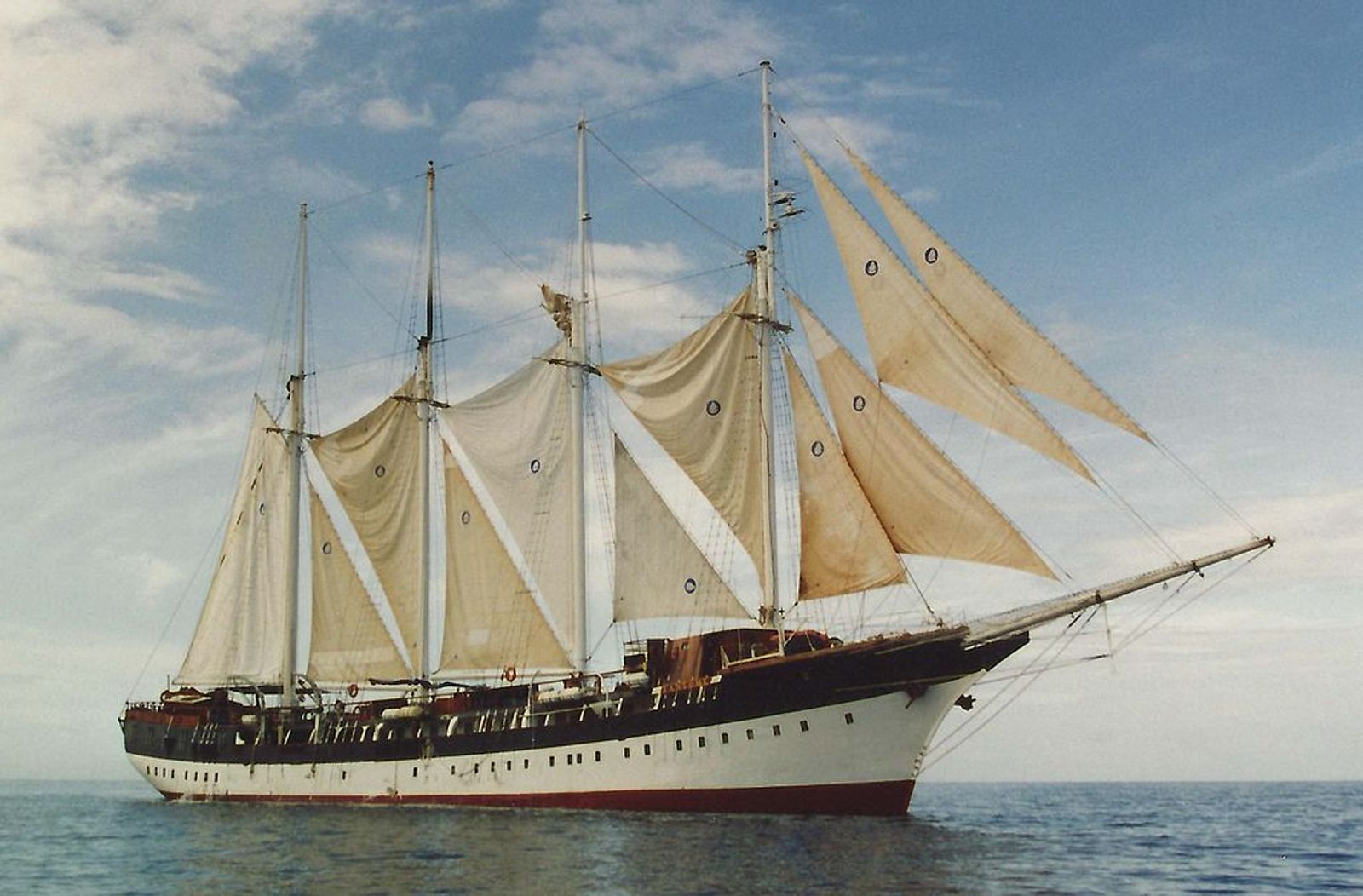
, a style of sailing that favors wind-powered vessels, flexible routing, and small passenger counts is returning to the region—this time shaped as much by contemporary travel preferences as by maritime tradition.

Unlike conventional cruising, barefoot sailing does not run on fixed timetables. Captains adjust routes based on weather rather than port slots. Guests move between decks barefoot, not because it is themed, but because the environment allows it. Shore access is often by tender, reaching anchorages beyond the reach of large ships.
The approach is not new. Windjammer Barefoot Cruises, founded in 1947, operated tall-ship voyages in the Caribbean for more than six decades before closing in 2008. What was once seen as a niche alternative now aligns with broader shifts in travel demand.
A Small-Ship Moment
Industry data suggests that growth in cruising is increasingly concentrated at the smaller end of the market. According to Cruise Lines International Association reports, expedition and small-ship cruising has outpaced traditional mass cruising since the pandemic, driven by travelers seeking fewer crowds, outdoor space, and more flexible itineraries.
Barefoot cruising sits at the far end of that spectrum. Passenger numbers are typically measured in dozens rather than hundreds. Operations rely on sail power wherever possible, with auxiliary engines used sparingly. The result is not only a slower pace, but a different relationship with the destination.
This matters in the Caribbean, where several ports have begun limiting cruise traffic due to congestion and environmental pressure. Smaller sailing vessels can anchor offshore, avoid heavy port infrastructure, and operate with fewer local disruptions.
Environmental Reality, Not Rhetoric
Tall ships are not impact-free. But compared with conventional cruise vessels, their fuel consumption, noise output, and wake are materially lower. Many modern operators are also adapting to stricter environmental expectations, reducing generator use, sourcing provisions locally, and limiting sensitive reef access.
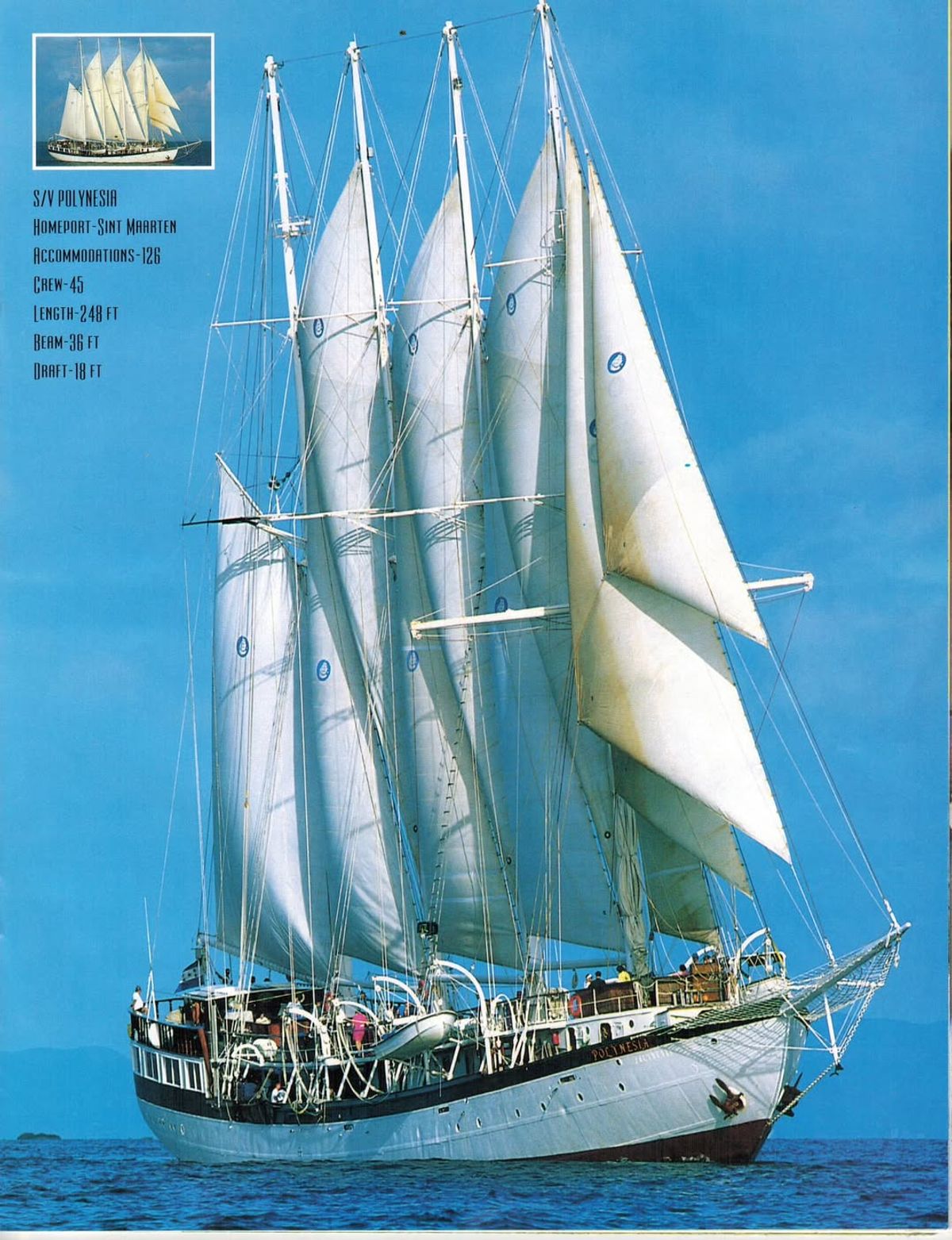
For island communities increasingly concerned with sustainability and overtourism, these vessels present fewer trade-offs.
A Different Social Contract at Sea
Barefoot cruising also alters the onboard dynamic. Crew are visible and engaged. Guests are encouraged to participate—raising sails, learning navigation basics, or simply understanding how the vessel works. The experience is less transactional and more participatory.
This model, once considered informal, mirrors what luxury travel now markets as experiential: learning-driven, slower, and grounded in place.
Revival Without Scale

Today’s revival efforts are notably cautious. Projects such as the restoration of the 1923 schooner
aim to return historic vessels to service, not to build fleets. The emphasis is on seamanship, preservation, and continuity rather than rapid expansion.
That restraint may be its strength. In a sector often driven by volume, barefoot cruising is not competing on size, speed, or spectacle. Its appeal lies elsewhere—in autonomy, access, and the simple efficiency of wind and water.
In a Caribbean increasingly shaped by capacity limits and crowded itineraries, the return of barefoot cruising suggests that smaller, slower models may no longer be alternatives. They may be early indicators of where the market is quietly heading.
Explore Topics
Featured Posts
Andrew Cardwell | Cybersecurity for the Modern Superyacht
Operational insight. Earned credibility. Security built for the real world.
"We find out what's actually worth it — from the people who know best." The editorial principle behind a platform built on access and credibility.
Georges Bourgoignie | Senior Sales Broker at Fraser Yachts, Fort Lauderdale
With decades of experience listing and selling yachts, Georges has built his reputation around a client first approach. The result has been lasting client loyalty, reflecting a philosophy he has held since 1989 and one recognised by Fraser Yachts.
Michael T. Moore | Maritime Lawyer
Michael T. Moore advises yacht owners, operators, and institutions on maritime law, complex litigation, and regulatory matters across the global superyacht industry.
Quentin Bourgeois | Yacht Broker at Fraser Yachts Monaco
Understanding what makes a yacht work operationally is the foundation for knowing what makes it valuable commercially
Captain Liam Devlin opens up about who inspired them in the industry
As part of our survey of Captains we asked who in the industry has inspired them. We tracked down some of the Captains at MYS to dig a little deeper! Here is Captain Liam Devlin’s account of a moment from a Captain
The IYC Captain's Forum discusses the Leading edge of Yacht Builds
A candid look at what today’s captains see coming next in yacht design and innovation.

Who’s My Biggest Inspiration in the Yachting World? - Alistair Best
Alistair Best reflects on the figure who shaped his career in yachting, and why that influence now drives him to imagine his own next chapter.
The Revolving Door of Junior Crew
Why do most junior crew leave within 18 months? A new Quay Crew survey of 100 captains reveals the true cost of turnover. They arrive fresh-faced and eager, but most junior crew don’t last long.
From Helm to Haven: The Amalfi Stay Captains Swear By
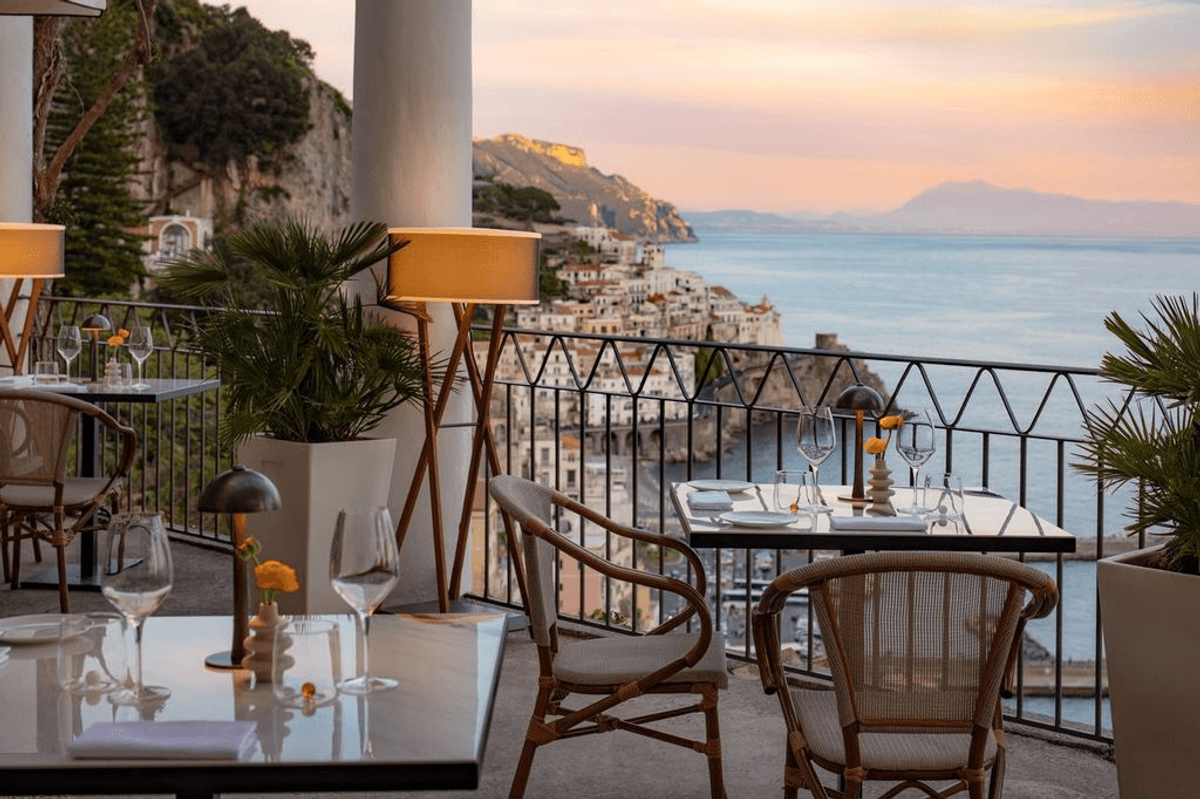
Anantara Convento di Amalfi offers captains a serene retreat above the Tyrrhenian Sea, blending heritage, luxury, and wellness for the perfect reset.
Why Captains Should Unwind at Nay Palad Hideaway in the Philippines
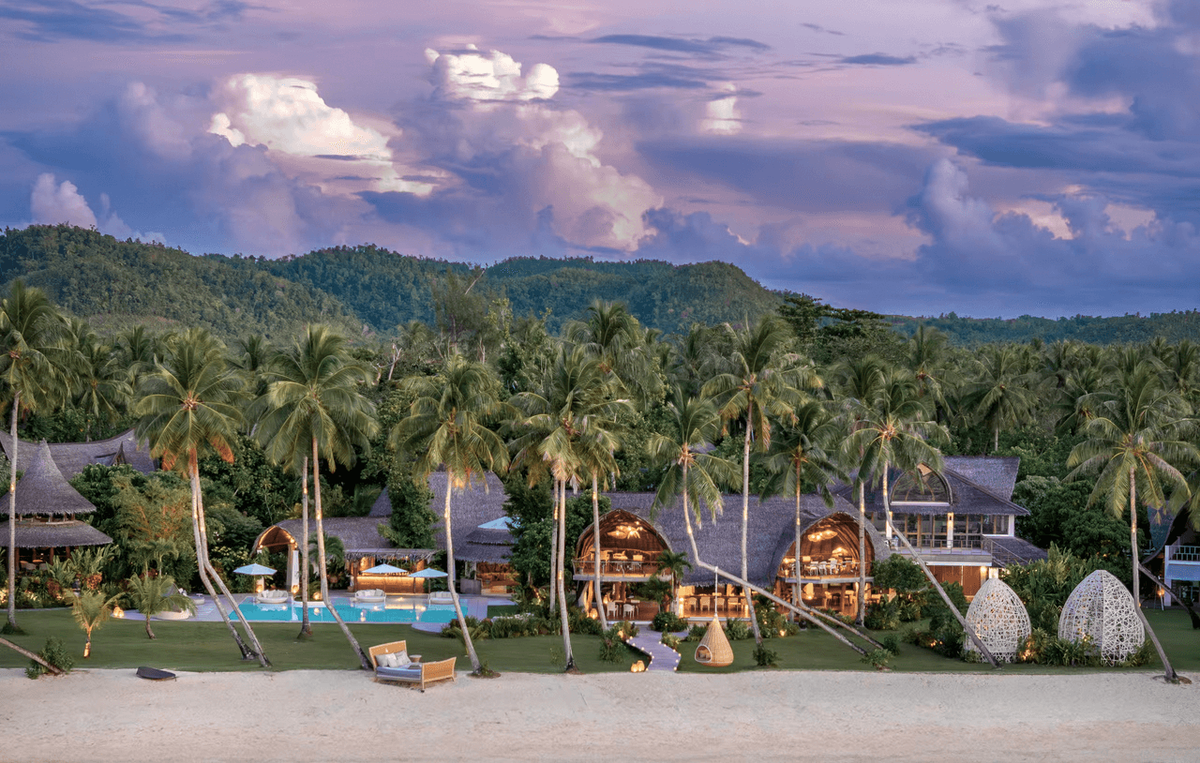
Nay Palad Hideaway in Siargao is a barefoot-luxury retreat where captains can truly unwind, with all-inclusive service and serene island beauty.

© 2025 YATCO All rights reserved.