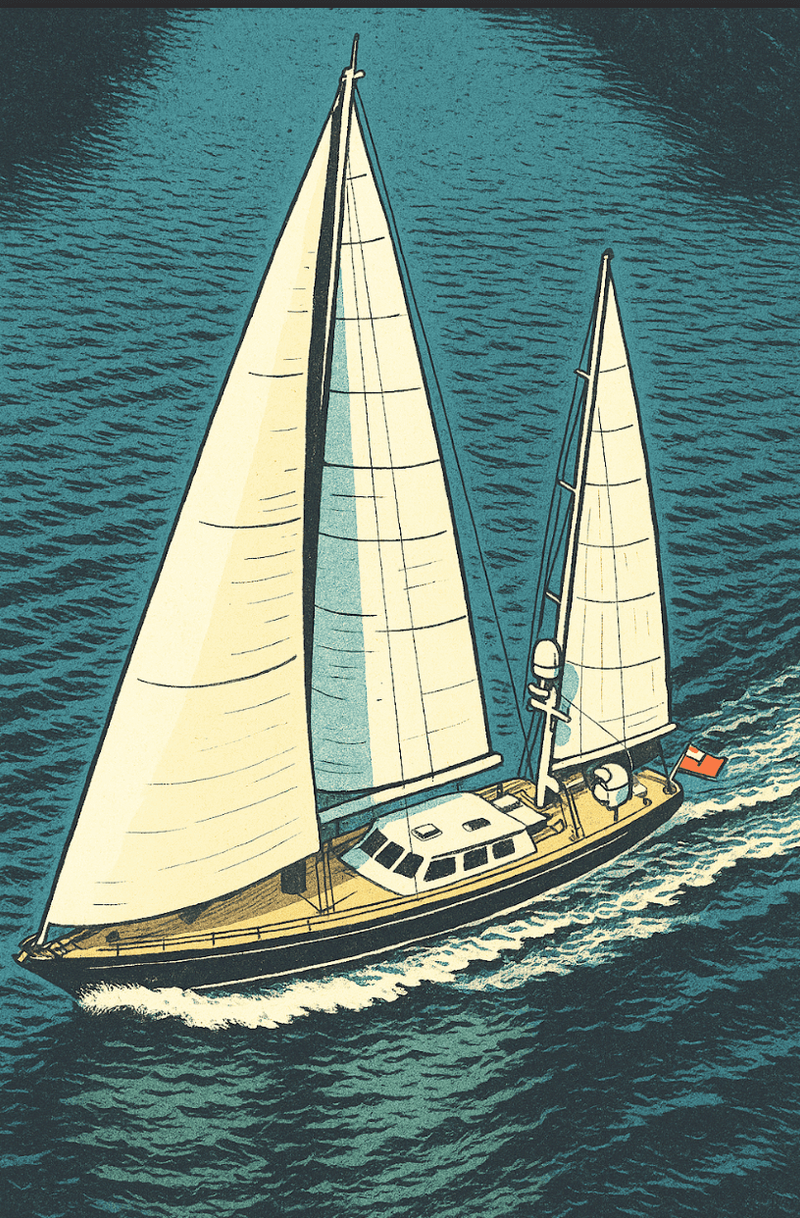
Michael Christian has spent more than forty-five years at sea, starting in commercial vessels before finding his way into the world of superyachts. Today, he runs Gigi, the flagship of Carl Allen's Allen Exploration fleet, a program that combines luxury yachting with science, shipwreck surveys, and marine conservation in the Bahamas.
"For me, to be able to do something that I love and being appreciated for it has been incredible," he says. "I started off in commercial vessels. I never realised I'd end up in superyachts. But seeing the smiles on the guests and the crew—that's what I really enjoy."
Christian recalls helping one young hopeful into the industry: "One guy named Nick was trying to get in, having a hard time. I gave him a shot, and now he's in Tahiti on a boat in his second season. He couldn't be happier."
At least four superyacht captains currently working today began as deckhands under Christian. "They check in with me all the time. That's the payoff—seeing them succeed," he says.
Mental health is another area where he has chosen to lead by example. "This is probably my hobby—I study psychology and human behaviour. I don't mind being vulnerable and telling people my past. I'm ex-military, with PTSD. I used to be embarrassed, but not anymore. When people know that, it disarms them, and they're more likely to come up to you before something gets to crisis mode." He adds: "I've known a crew member who took her own life not too long ago. It's a very real thing. The pressure never stops, and what they left at doesn't disappear just because they're at sea." For Christian, that means openness, empathy, and sometimes taking weekend watch himself so younger officers can enjoy a night off.
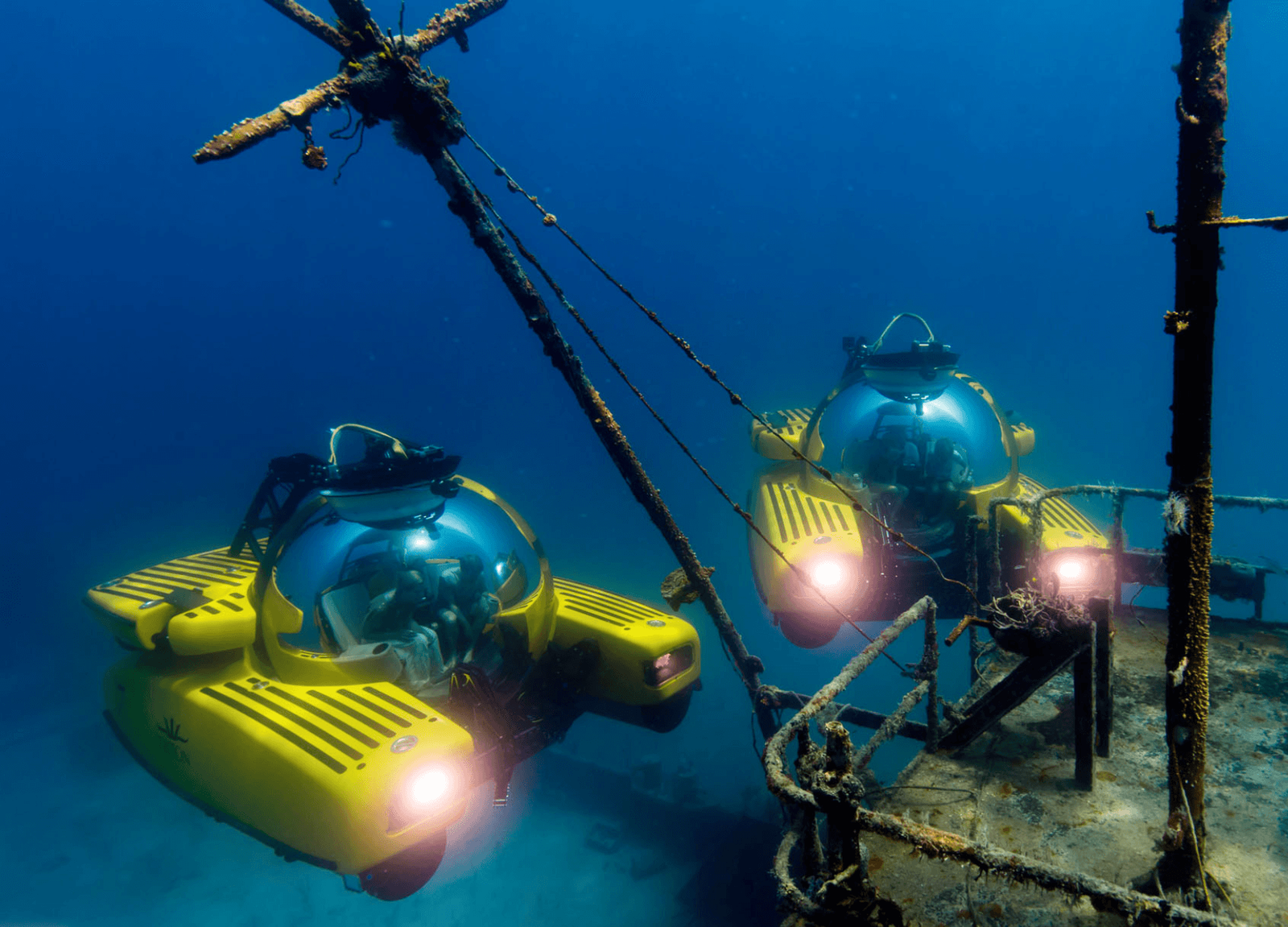
Christian oversees submersible dives with aviation-style precision.
"Carl will say, 'let's go down there today. My job is to make sure conditions are right, the crew is ready, and the backup plan is in place. The word 'no' is not allowed, but the word 'safe' comes first."
Christian notes how rapidly technology has reshaped his role. "Someone could be talking to me, 'What's the weather like next week?' and I'm literally pulling it up right there. Medical situations, publications, travel agencies. It's all instant now." He was also ahead of the curve on environmental compliance: "Ten years ago we were fitting new generators with diesel exhaust fluid. At the time, no one had even heard of it. Now you buy it at the gas station." Waste reduction has been another priority. "On boats for sale, I connected with local groups who would take food and clothing we'd normally throw out. Dropping provisions at a church felt good—it's simple but makes a difference."
The pressure of guest requests is constant. "The word 'no' is not allowed, but sometimes you have to stand your ground," he admits. "One guest wanted his son to go jet skiing in a harbour with a zillion boats flying around. I had to say, because he'll die, first of all. But you say no politely, and you're ready for the consequences. It's better than being a news story."
Where many yachts are symbols of indulgence, Carl Allen's fleet under Captain Michael Christian has become part luxury retreat, part research station, part classroom. With submersible dives, shipwreck expeditions, and conservation projects in the Bahamas, it reflects a model of yachting that blends hospitality with purpose. Christian sums it up simply: "At the end of the day, if the owner is happy, the scientists get their work done, and the crew go safe and proud of what they've achieved—that's success."
Among their most striking finds:loose gold, silver, and gemstones from the 17th-century Spanish galleon Nuestra Señora de las Maravillas; a nearly six-foot gold chain weighing close to two pounds; intricate emerald, and even 24 mysterious Russian cannons discovered off the Little Bahama Bank.
Image credits: © Brendan Chavez/Allen Exploration - Illustration by Claire Hagen